
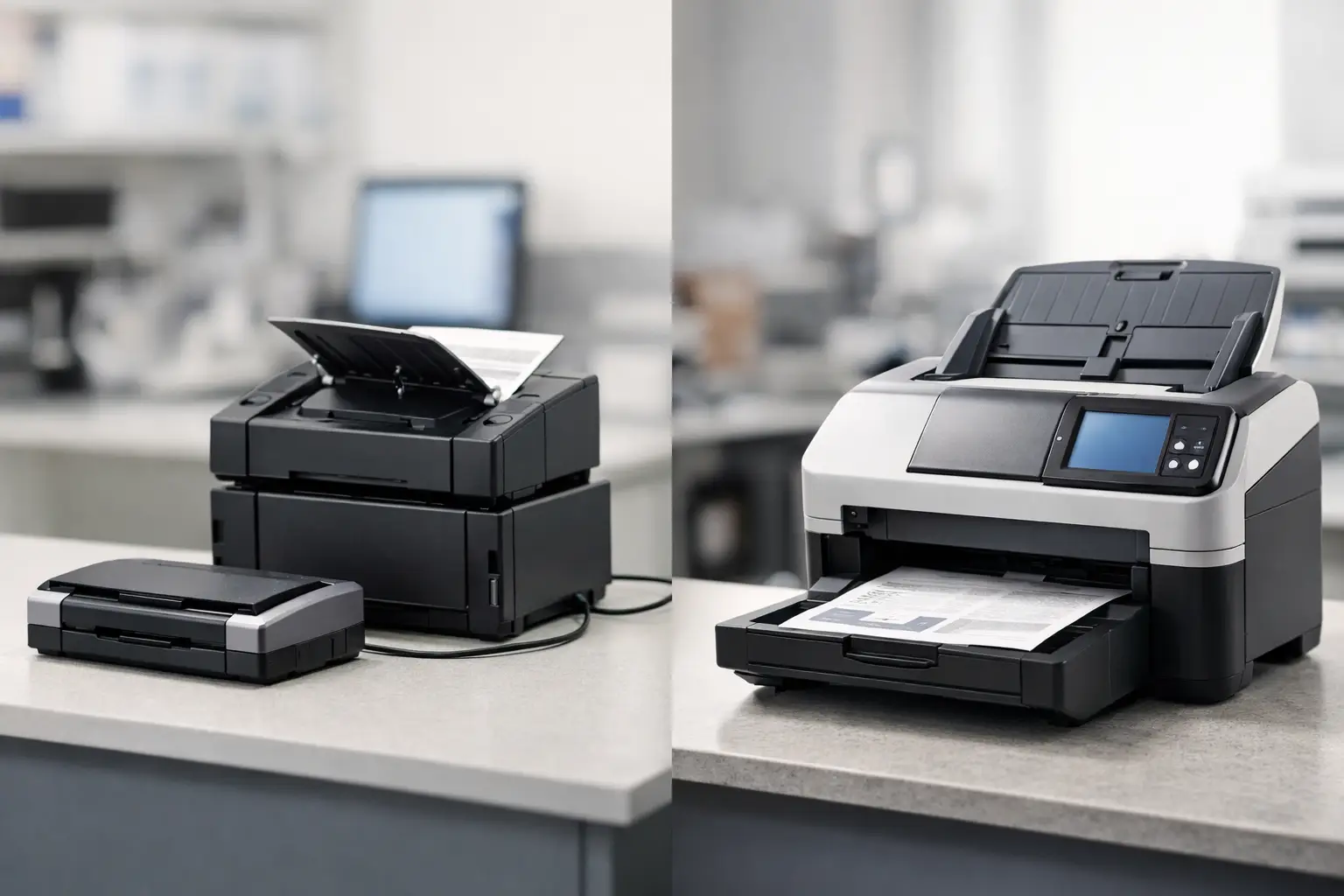

A scanner choice usually looks simple on a quote and much less simple on site. When a crew is swapping wheels, brackets, wedges and encoder positions between welds, pipe work and corrosion jobs, the real cost is not just the purchase price. That is where modular scanners vs premium systems becomes a practical decision, not a branding exercise.
For many inspection businesses, the question is not which scanner looks more polished on the bench. It is which setup keeps work moving, reduces rebuild time and lets technicians turn up with hardware that actually suits the task. In PAUT and ToFD, that matters more than glossy machining or a long feature list.
Modular scanners vs premium systems in real field work
Premium systems are often built to present as all-in-one platforms. They can be highly capable, well finished and backed by mature documentation. On some jobs, especially standardised inspection programs with repeatable procedures, that can make good sense. If a team runs the same scan setup every week, a single premium platform may do the work reliably for years.
The problem starts when one scanner is expected to cover everything. A fabrication shop weld today, a pipe inspection tomorrow, then corrosion mapping next week. In that environment, the scanner stops being a dedicated tool and becomes a compromise. It gets rebuilt constantly, accessories get moved around, and the team loses time before the first scan even starts.
A modular system approaches the problem differently. Instead of forcing one expensive scanner to serve every application, it lets the operator build out a kit of task-specific hardware. That could mean one scanner kept ready for a common weld profile, another for pipe work, and a separate setup for corrosion scanning. The gain is operational, not theoretical. Less rebuilding, less handling, less wear on the same critical parts.
The real cost is usually downtime
People often compare modular and premium hardware by upfront price alone. That is understandable, but it misses what drives cost in a working NDT business. The expensive part is usually idle labour, delayed starts and jobs held up because the scanner on hand is not configured for the next task.
If two technicians spend forty-five minutes reconfiguring a scanner before a shift, that is not a minor inconvenience. Across a month, it becomes lost billable time. Across a year, it can exceed the price gap between hardware options.
Premium systems can carry a higher capital cost because they are designed as comprehensive platforms. For larger organisations with bigger budgets, centralised equipment control and dedicated procedures, that may be acceptable. They are paying for a complete package, often with broad compatibility and a strong support framework.
Smaller service companies and owner-operators usually feel that cost differently. One premium scanner tied up on a job creates a bottleneck. If another client needs a similar setup at the same time, the business is forced to wait, hire gear or keep rebuilding the same unit. A modular approach gives more ways to spread capability across multiple jobs without buying several top-end systems.
Flexibility sounds good, but it depends how it is delivered
Scanner manufacturers often talk about flexibility. In practice, there are two very different versions of that claim.
One is platform flexibility, where a premium system can be adapted to many tasks with the right accessories. That can be valuable, but it still depends on rebuilding the same core unit. The flexibility exists, but it comes with labour and setup time.
The other is operational flexibility, where multiple modular scanners or accessory combinations are kept ready for different inspections. That is usually more useful in field conditions. A technician can grab the hardware suited to the job rather than re-engineer a general-purpose scanner on the tailgate of the ute.
This is where modular systems often suit contractors better than premium platforms. The goal is not to own the most sophisticated universal scanner. The goal is to complete inspections efficiently, with hardware matched to the surface, weld geometry and scan method.
Wear and tear matters more than most buyers admit
A scanner that is repeatedly stripped down and rebuilt will wear differently from one that stays in a more stable configuration. Threads, mounts, axles, connectors and moving parts all cop extra handling. That does not mean premium systems are fragile. It means any system used as the one scanner for every application is likely to age faster in the points that matter.
Modular hardware spreads that load. When scanners are assigned to particular jobs, there is less unnecessary adjustment and less chance of parts being over-tightened, misplaced or damaged during repeated changeovers. For inspection teams working across multiple sites, that can improve reliability in a very plain and useful way.
It also reduces the odds of arriving on site and realising a key component is still fitted to another scanner back at the workshop. That kind of mistake is not about poor technicians. It is what happens when one platform carries too much of the workload.
When premium systems are the better fit
There are cases where a premium system is the right call. If your business has a narrow range of applications, formalised procedures and a requirement for a heavily integrated scanner platform, the extra spend may be justified. Large asset owners, major contractors and internal inspection departments can benefit from the consistency of a premium ecosystem.
The same applies when procurement priorities lean towards established global brands, long documentation trails or very specific compliance preferences. Sometimes the buying decision is shaped as much by internal policy as by field practicality.
Premium systems can also suit teams that want one highly refined platform and are happy to invest in the accessories, training and maintenance around it. There is nothing wrong with that model if utilisation is high and the scanner stays close to its intended use case.
The point is not that premium is unnecessary. It is that premium is not automatically the most efficient answer for every inspection business.
Where modular systems usually win
Modular scanners tend to make sense when the work mix is varied and budgets are watched closely. That includes service providers covering weld inspection, pipe work, corrosion assessment and shutdown support, often with small crews and changing site demands.
In those conditions, purpose-built scanner hardware can be a better business tool than a single flagship unit. You can put more hardware into the field, dedicate setups to recurring jobs and avoid turning every mobilisation into a rebuild session.
That practical model is exactly why engineer-led suppliers have focused on affordable, application-specific hardware instead of chasing the luxury end of the scanner market. PAUT.Tech, for example, is built around the idea that most inspection teams need adaptable tools they can actually deploy, not a premium system they are reluctant to put through everyday site work.
Ask a workflow question, not a product question
The easiest way to choose between modular and premium hardware is to stop asking which scanner is best in the abstract. Ask what your team actually does in a normal month.
If the same setup runs repeatedly, a premium platform may be efficient enough. If your technicians are constantly changing probes, wedges, mounting arrangements or scan paths, modularity probably has more value than prestige.
Also look at how your business scales. If growth means more simultaneous jobs, more varied surfaces and more technicians needing access to equipment, multiple modular setups can increase capacity far more effectively than one expensive scanner with a cupboard full of parts.
That does not mean buying the cheapest hardware available. It means buying for utilisation, not image. A scanner earns its keep in the field, not in the catalogue.
The better system is the one that gets used properly
There is no universal winner in modular scanners vs premium systems because inspection work is not universal. Different teams have different procedures, margins and equipment pressures. But for many NDT businesses, especially those working across mixed applications, the smartest investment is the one that reduces rebuild time, lowers equipment strain and keeps more jobs moving.
If a scanner lets your team mobilise faster, keep dedicated setups ready and avoid tying up a high-cost platform on routine work, that is not a compromise. That is good operations. The best hardware choice is usually the one that fits the job before the job starts.